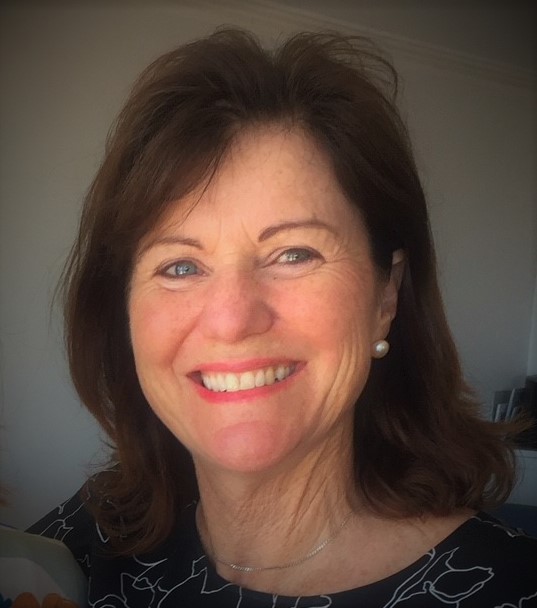
Excerpt from Walter Howard Smith Jnr PhD’s conference presentation 2011. Edited for this blog by Jenny Brown
This excerpt opens up fascinating insights into systems leadership. Dr Smith talks about how he manages himself as Executive Director of a not for profit child and family services organisation with a staff of around 230 people. Many at our meeting were surprised to hear that Walter rarely talks about Bowen theory to those who work at his organisation.
“My organisation knows very little about my theoretical perspective (Bowen family systems theory) and I barely talk about it. I use it as my way of thinking without telling others how they should think. It is a challenge to be the leader, to be viewed as an important person, and to give people lots of space to think for themselves. I’ve chosen not to put out to the organisation that if you think like me you’ll do better; because that can reduce the flexibility of an organisation. It feels good when people ascribe to your ideas and your way of thinking. It’s wonderful; but I get suspicious of that process. It will mean that someone’s functioning is going downward.
Rather than promote my theoretical stance I am clear about how principles, informed by Bowen theory, determine what the organisation does and doesn’t do. For example we do not provide any residential programs for children. The focus is work with families. We never see just children; as child abuse is viewed as a problem for parents to address not children. The organisation is clear to parents at the beginning about this. If parents want to put children into therapy to focus on their symptoms and they try to avoid doing the work themselves, we address that.
Part of my stance in our organisation, and a position of mine in my private practice, is to be guided by my own definition of “health.” I view health as the ability to regulate your life and make it meaningful; not about how many symptoms you have but how can you manage your life in such a way that you’re doing purposeful and meaningful things.
This has meant it has been Important to me and to the organisation to rethink what is the purpose of psychotherapy; because the disease model and medical model really dominate thinking. I am mindful of the push to be funded to reduce symptoms and to help to keep kids out of institutions but not help people to be well. For many people the problem is their situation not a diagnosis.
In my own practice I would rather go out of business than operate under the requirements of managed care. I want the freedom to practice within my own principles. This is much harder in an organisation where diagnosis is required for billing and payments. While it is more of a challenge when you need to function within the funding framework, I still ensure that our programs are structured to give people the power to choose rather than to focus on symptoms.
I have come to see the value of a leader earning respect in the community network in which the organisation sits. For example I have a strong respected relationship with members of the local court system. This promotes a confidence in our services and in turn gives increased scope for doing work in the ways we choose. For example our referrers don’t question our use of long term psychotherapy for many of our cases.
Additionally a leader who develops a high profile through contact with the community also enhances fundraising partnerships which enables the organisation to do what we do.
I am mindful that in my organisation’s county African Americans make up 10% of the population but they represent 50% of those in child welfare and 80% of children removed. It is an interesting social emotional process to see who gets identified as the target population. I ask: How do I manage myself as part of an organisation that’s being paid by society to fix the problems of these families? Now that’s a workout!”
WHAT IS DR WALTER SMITH’S CURRENT SYSTEMS LEADERSHIP PROJECT?
After 25 years as a leader in a large children’s services Organisation Dr Smith is currently working for a Pittsburgh County Department of Human Services as a manager for Integrated Program Initiatives. His responsibilities include integrating services across the human services system that includes aging, behavioural health, child welfare, community services and intellectual disabilities. The model he is developing uses something like Family Group Decision Making to continually plan services based on what the family dictates. It positions families to be more self-reliant and less dependent on services. Walter Smith will discuss this project and the leadership principles that guide him as part of our conference presentations.
——


POSTED BY – Jenny Brown & Lily Mailler This blog began as a casual conversation in the kitchen at our office between Lily Mailler and Jenny Brown. It was prompted by the site of Lily’s golden Labrador sitting in the back of her car for over an hour while Lily was working. She was sitting […]
Read moreJenny: Linda I read your article with interest from the ANZ Journal of Family Therapy :Trauma and Bowen Family Systems Theory: Working with Adults Who were Abused as Children. I really liked the clarity about how issues of power are not ignored in Bowen theory but they sit alongside inviting people to define themselves more […]
Read moreReflections from our NEW YEAR SYMPOSIUM A systems approach to developing the self of the therapist A couple of weeks ago the FSI launched its professional development offerings for 2013 with a group of presentations to promote thinking about the self of the clinician from some different family systems perspectives. Almost all feedback forms that we received […]
Read moreTwo therapists working “systemically” What are the similarities and differences? This blog turned into a rather long essay-the following are key excerpts. There is a link to the full paper at the end. Two family therapists, both working with systems in mind, take on the same case. What commonalities will their work share? What are […]
Read moreGuest presenter from FSI Certificate program Nicola Fortescue- introduced by Jenny Brown. A recent presentation as part of our certificate program explored the dynamics of a friendship in a community/church congregation context. The presentation described the personal challenge of dealing with a relationship where, after pulling back to be less involved, the presenter experienced increased efforts […]
Read moreJenny Brown interviews our Conference Speakers from our upcoming Annual Conference: Elizabeth A. Skowron, Ph.D. Associate Professor of Counseling Psychology Research Scientist, Child and Family Centre University of Oregon Margaret (Peg) Donley MSW Bowen Family Systems Clinical Seminars Kansas City Awarded 2013 Bowen centre Pollie Caskie research scholarship for: The Neurobiology of Family Relationship Processes. […]
Read moreBy Wayne Caruana Psychologist at CAMHS and an Early Psychosis Service I wanted to share some of my thoughts about this year’s conference, firstly by congratulating Jenny and the team at the FSI for such an achievement in facilitating the 10th FSI Conference. I have been to 5 conferences now and have found them all very […]
Read more[quote color=””]“The idea that a child’s symptoms may be connected to interactions with their parents is not unique to Bowen family systems theory; however the lack of blame and the clear explanation of how this may happen is something very useful…”[/quote] Dr Cybele Dey, Child, Adolescent and Family Psychiatrist, graduate of the FSI Certificate Program […]
Read moreBy Jenny Brown In his family systems theory Dr Murray Bowen talks about the goal of getting more neutral or objective about the people we consult to and their families. This goal also applies to members of a clinician’s/person’s own family. What does this actually entail? And what is it that makes it so difficult? […]
Read moreBy Lily Mailler I have been studying and applying Dr Bowen’s theory for the past 13 years and it took me a while to understand the idea of emotional sensitivity that is so central to the theory. Seeing emotional sensitivity in action in me was a big step in beginning to understand the impact it […]
Read more
 0432 530 513
 info@thefsi.com.au
 Enquire
 Search